Loading...
Serving Cedar City, UT and surrounding areas. (435) 592-8002
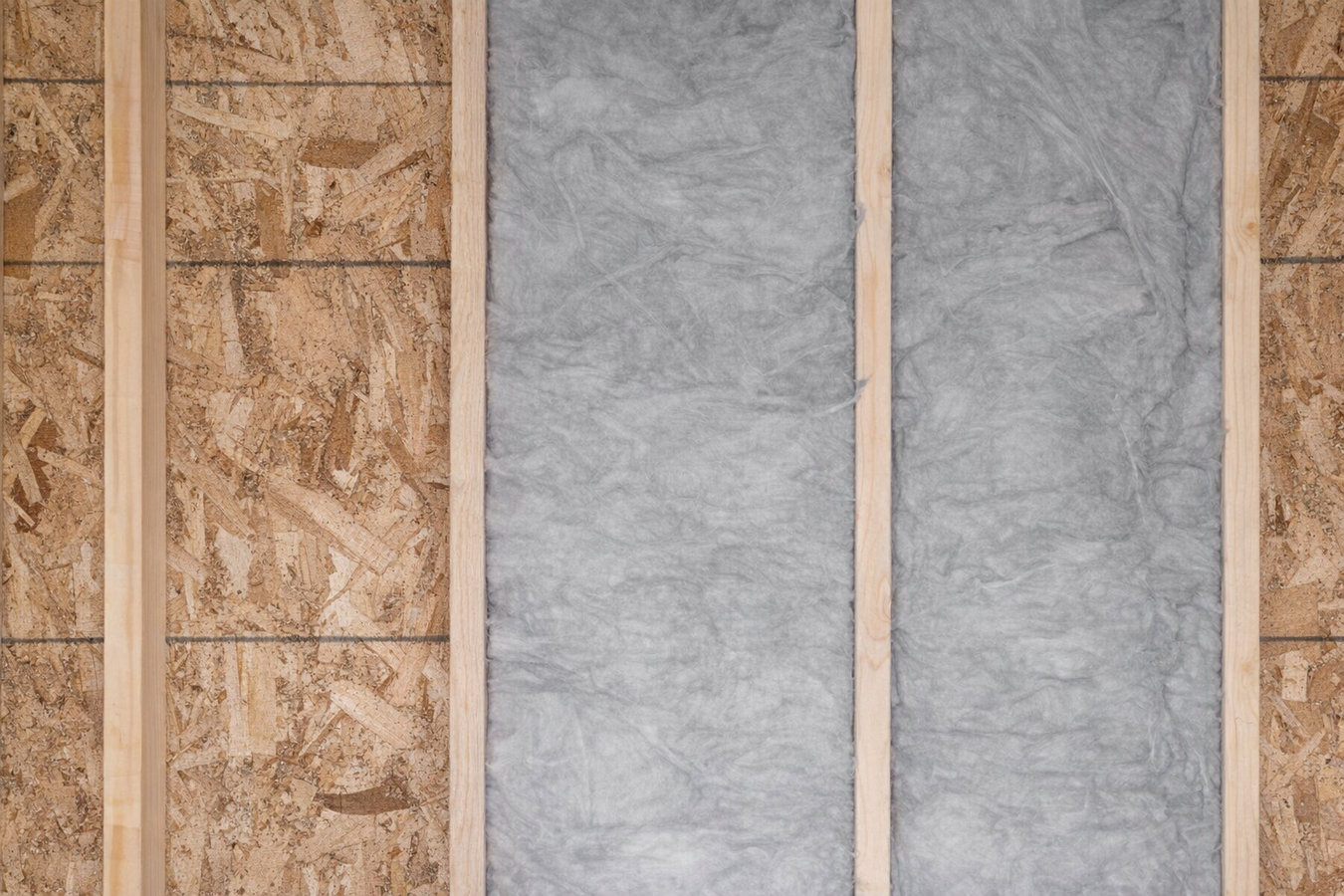
Most Cedar City homes built before 1995 have hollow walls that bleed heat in winter and let heat in all summer. We fill them without removing your drywall.
Wall insulation in Cedar City slows the movement of heat through your exterior walls so your furnace and air conditioner do not have to work as hard - most residential jobs take one to two days and homeowners can stay in the house throughout. Blown-in and injected foam are the two most common approaches for existing homes, and both can be added by drilling small holes and filling the wall cavities without removing your drywall.
Cedar City sits at nearly 5,800 feet elevation, and the wide gap between winter lows and summer highs means your walls are working hard in both directions, every single month of the year. A large share of homes here were built in the 1970s through the 1990s under energy standards that were far lower than what this climate actually demands.
Wall insulation works best when the whole home envelope is addressed together. Many homeowners find that pairing this project with air sealing services delivers noticeably better results than either service on its own.
Cedar City winters regularly push overnight lows below 20 degrees. If your heating costs feel out of proportion to how warm your home actually gets, your exterior walls may be letting heat escape faster than your furnace can replace it. This pattern is especially common in homes built before the mid-1990s.
Stand close to an exterior wall on a cold Cedar City morning - not near a window or door, just the wall itself. If it feels noticeably cold or you sense a chill radiating from it, the wall cavity is not insulated well enough for this climate. A well-insulated wall stays close to room temperature even when it is freezing outside.
If one bedroom or a corner of your living room is always colder or hotter than the rest of the house, that room likely has a wall insulation problem. Uneven temperatures from room to room are a reliable sign that some walls are doing their job and others are not.
Insulation absorbs sound as well as slowing heat. If you can clearly hear traffic, wind, or neighbors through your exterior walls, the walls may be hollow or under-filled. Cedar City can see significant wind events, and a properly insulated wall makes a noticeable difference in how quiet your home stays.
We install wall insulation in existing homes using two primary methods depending on what the wall construction calls for. Dense-pack blown-in material - either cellulose or fiberglass - fills wall cavities completely and is the most common approach for Cedar City homes built in the 1970s through 1990s. For homes with irregular cavities or where a higher R-value per inch is the priority, injected foam is a reliable alternative. Both methods work through small drilled holes with no drywall removal required.
Wall insulation does not work in isolation. We look at the full exterior envelope, which often means also discussing blown-in insulation for attic areas and whether air sealing services should be paired with the wall work to address infiltration that insulation alone cannot stop. We give you a complete picture before you commit to anything.
Best for most 1970s-1990s Cedar City homes with standard stud-frame walls and accessible cavities.
Suits homes with irregular or partially-filled cavities where blown-in material may not distribute evenly.
Ideal for any homeowner who wants to confirm what is already in their walls before deciding what to do.
For homeowners who want to address both heat flow and air infiltration in a single project.
The federal government places Cedar City in Climate Zone 5, which calls for a higher level of wall insulation than most of southern Utah. The city sits at roughly 5,800 feet elevation, and winter nights regularly fall below 20 degrees - much colder than communities just 50 miles south like St. George. A contractor quoting a lower-performance installation may be working from a warmer-climate standard that simply does not fit here. Cedar City also has very dry air, which means any gap in a wall cavity allows cold or hot outside air to move through freely and consistently.
Much of Cedar City was built between the 1970s and early 1990s, when wall insulation requirements were a fraction of today. If your home falls in that range, the odds are good your exterior walls have little or nothing in them. We work across Cedar City and nearby communities including Parowan and Kanab, and the same pattern holds in all of them - older homes are almost always under-insulated for the climate zone they sit in.
We respond within 1 business day to schedule your free on-site visit. You do not need all the answers - just a general sense of what is bothering you, whether that is high bills, cold rooms, or both.
We walk your exterior walls, check for existing insulation with a probe or thermal camera, and give you a written quote explaining what we recommend and why. No obligation after this visit.
Move furniture about two feet from exterior walls in the rooms being treated. The crew handles everything else. For most projects, no permit is required - but if one is needed, we handle the Cedar City Building Department application.
The crew drills small holes, fills each cavity, and patches the holes - most jobs finish in one to two days. You can stay in your home throughout. Interior patches are ready to paint within 24 hours.
We respond within 1 business day. There is no obligation after we send your estimate. Once you submit, someone from our office will call to schedule your free on-site assessment.
(435) 592-8002Cedar City sits in a colder federal climate zone than most of southern Utah. We size every wall project to meet the performance level this climate actually demands - not a lower standard designed for warmer regions down the road.
Rocky Mountain Power serves Cedar City and offers rebates for qualifying insulation upgrades. We are familiar with the program and handle the documentation so you get the rebate you are entitled to without chasing paperwork yourself.
Most homeowners expect more disruption than they get. We drill golf-ball-sized holes, fill each cavity, and patch them neatly. The crew cleans up before they leave, and the job usually takes one to two days start to finish.
We work on homes across Cedar City - from the older neighborhoods near Southern Utah University to newer subdivisions on the west side of town. Local experience means we know the wall construction types common here and how to work with them.
The U.S. Department of Energy climate zone map places Cedar City in Zone 5, which carries specific insulation performance requirements. We build our quotes to that standard - not a lower one that happens to be cheaper. We also document the finished work so you have a clear record of what was installed.
Air sealing closes the gaps that let outside air bypass your new wall insulation, making both investments work harder.
Learn moreBlown-in material is the most common method for filling wall cavities in existing Cedar City homes.
Learn moreCedar City winters come fast - lock in your installation date before cold weather arrives and our schedule fills up.