
Loading...
Serving Cedar City, UT and surrounding areas. (435) 592-8002
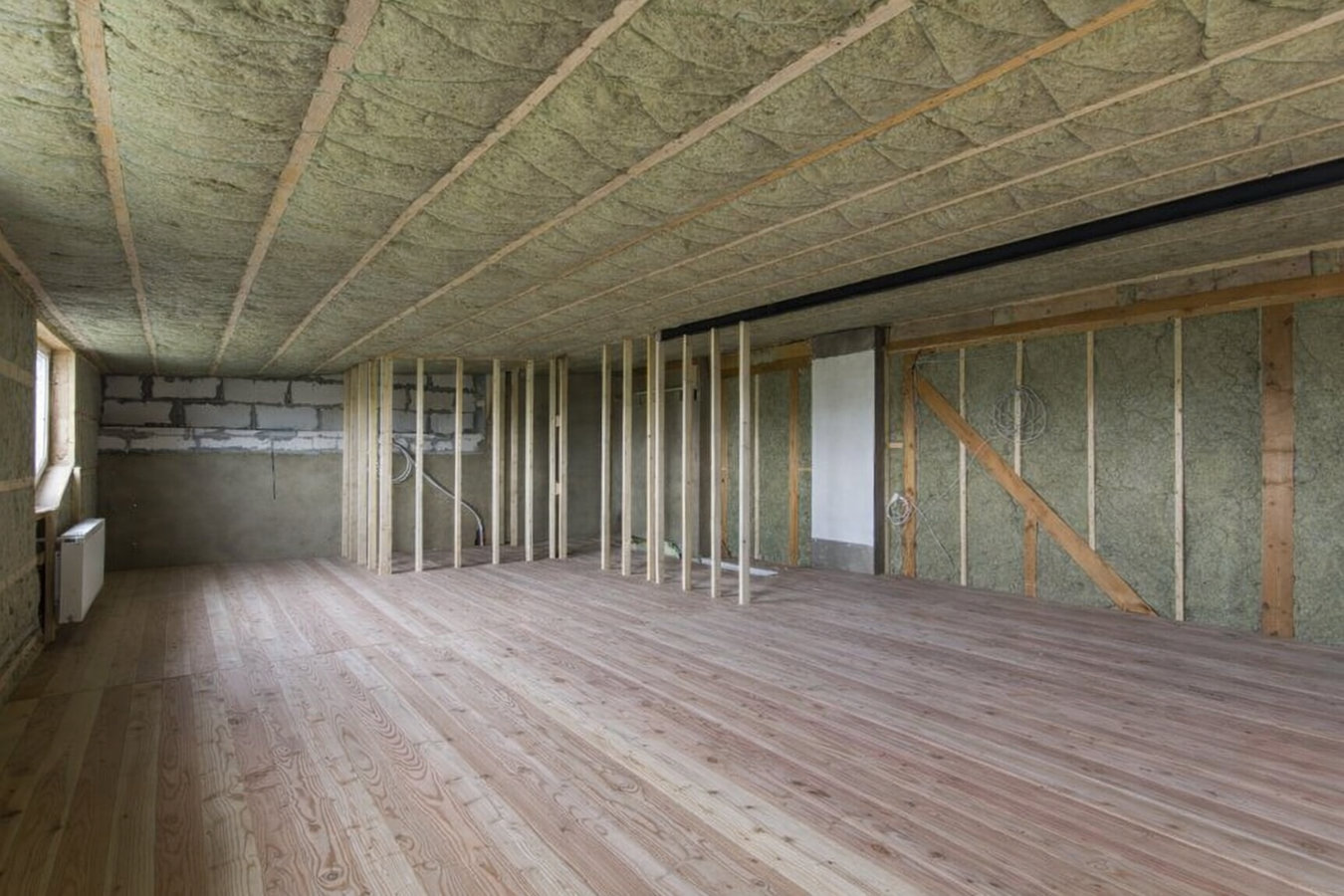
Cold floors and high heating bills are not just a comfort issue - they are a sign your basement is leaking heat every day. We install the right insulation for Cedar City winters so your whole home stays warmer.
Basement insulation in Cedar City creates a barrier between the cold ground and your living space above - most jobs take one to two days, and the difference in comfort shows up within the first heating cycle. Contractors typically insulate either the basement walls from the inside or the ceiling of the basement, depending on whether the space is finished and how it is used.
Cedar City sits at nearly 5,800 feet elevation and falls in Climate Zone 5 per the U.S. Department of Energy, which calls for more insulation than most of the Southwest. Many Cedar City homes built before the 1990s have no basement insulation at all, or aging fiberglass that has sagged and lost most of its effectiveness. If you are also dealing with moisture coming up from the foundation, it is worth pairing basement work with crawl space insulation to address the full ground-level envelope.
The U.S. Department of Energy estimates that properly insulating and air sealing a home can reduce heating and cooling costs by 10 to 20 percent. In Cedar City, where you run heat for roughly five months each year, those savings add up across every cold season.
If rooms above your basement feel cold in winter - especially in the morning before the heat has been running long - cold air is moving up from below. In Cedar City, where January lows regularly drop into the mid-teens, an uninsulated basement is one of the most common causes of cold floors in older homes.
Cedar City's heating season runs roughly five months, and if your bills climb sharply each November and stay high through March, your basement may be a major source of heat loss. If costs are rising without a change in habits or utility rates, an uninsulated basement is a likely culprit.
If you look up at your basement ceiling or along the walls and see insulation that has fallen, compressed, or is absent in patches, it is no longer doing its job. Fiberglass that has sagged or gotten wet loses most of its effectiveness even if it looks like it is still there.
On a cold Cedar City day, hold your hand near your basement windows or at the base of interior walls. If you feel cool air moving, there are gaps that insulation and air sealing can address. This is especially common in homes built before the 1990s, where framing at the top of the foundation wall was rarely sealed.
We match the material to the space and the budget. For basement walls in unfinished spaces, we often use closed-cell foam insulation because it insulates and seals air gaps in a single application - both matter in Cedar City winters. Rigid foam boards are a durable alternative when moisture is present. For the basement ceiling in an unheated space, fiberglass batts are a cost-effective option when installed carefully to avoid gaps around framing.
Every job includes attention to rim joists - the framing at the top of your basement walls just above the foundation. This is where most heat escapes in older homes and where air sealing makes the biggest difference per dollar spent. We treat the basement as part of your home system, not an isolated project.
Best for homes with unfinished basements where performance and air sealing matter most.
A durable, moisture-resistant option well-suited when some dampness is present.
Cost-effective for insulating the basement ceiling when the space stays unheated.
Targets the framing gap at the top of the basement wall where most heat escapes.
Pairs with any insulation type to eliminate drafts around pipes, wires, and framing.
Cedar City winters are genuinely cold - January lows regularly drop into the mid-teens Fahrenheit, and the city sees meaningful snowpack that melts in March and April and can push water against foundation walls. A significant share of the housing stock dates from the 1950s through the 1980s, an era when basement insulation simply was not standard. If your home is from that period, there is a reasonable chance your basement has never been properly insulated, and an uninsulated basement in this climate is one of the biggest sources of heat loss in the house.
Cedar City summers also push into the upper 80s and low 90s, and a poorly insulated basement ceiling lets that heat work its way up into your living space. The same work that keeps your home warm in January also keeps it cooler in July. We serve homeowners across Cedar City and in nearby communities including Parowan and Richfield, where older housing stock and high-elevation winters create the same challenges.
We respond within 1 business day to schedule a free in-home visit. You do not need all the answers ready - just a general sense of what you are noticing.
We walk your basement, check for any moisture, measure the space, and explain what we recommend in plain terms. You receive a written estimate before any work is committed.
We confirm whether your project requires a permit through the Cedar City Building Department and handle the application. Fall slots fill quickly, so booking early avoids delays.
Most basement jobs finish in one to two days. We walk you through the completed work before we leave so you can see what was done and ask any final questions.
We respond within 1 business day. There is no obligation after we send your estimate. Once you submit, someone from our office will call to schedule a free in-home assessment.
(435) 592-8002Cedar City sits at nearly 5,800 feet and sees winter lows in the single digits. We spec insulation to match what this climate actually demands, not the lighter-duty standards used in warmer Utah cities.
Spring snowmelt can push water against foundation walls even in Cedar City's dry climate. We check for any moisture intrusion before we start so you are not paying to seal a problem inside your walls.
We confirm whether your project requires a Cedar City Building Department permit and handle the paperwork. A permitted job is inspected by an independent official, which protects you when you sell the home.
A significant share of Cedar City homes were built before basement insulation was standard. We work in these older foundations regularly and know what to expect - from aging framing to decades-old materials that need removal.
The North American Insulation Manufacturers Association sets the standards that govern how insulation products are made and rated - we work from those baselines on every job. When you combine local climate knowledge with proper permitting and material specs, the result is insulation that actually performs through Cedar City winters rather than just looking done.
Closed-cell foam is the highest-performing material for basement walls, combining insulation and moisture resistance in a single application.
Learn moreCrawl space insulation pairs with basement work to stop cold air from entering at the foundation and rising through the floor.
Learn moreCedar City winters move fast - the sooner your basement is insulated, the sooner you stop paying to heat the outside. Call us or submit a request and we will be in touch within 1 business day.