
Loading...
Serving Cedar City, UT and surrounding areas. (435) 592-8002
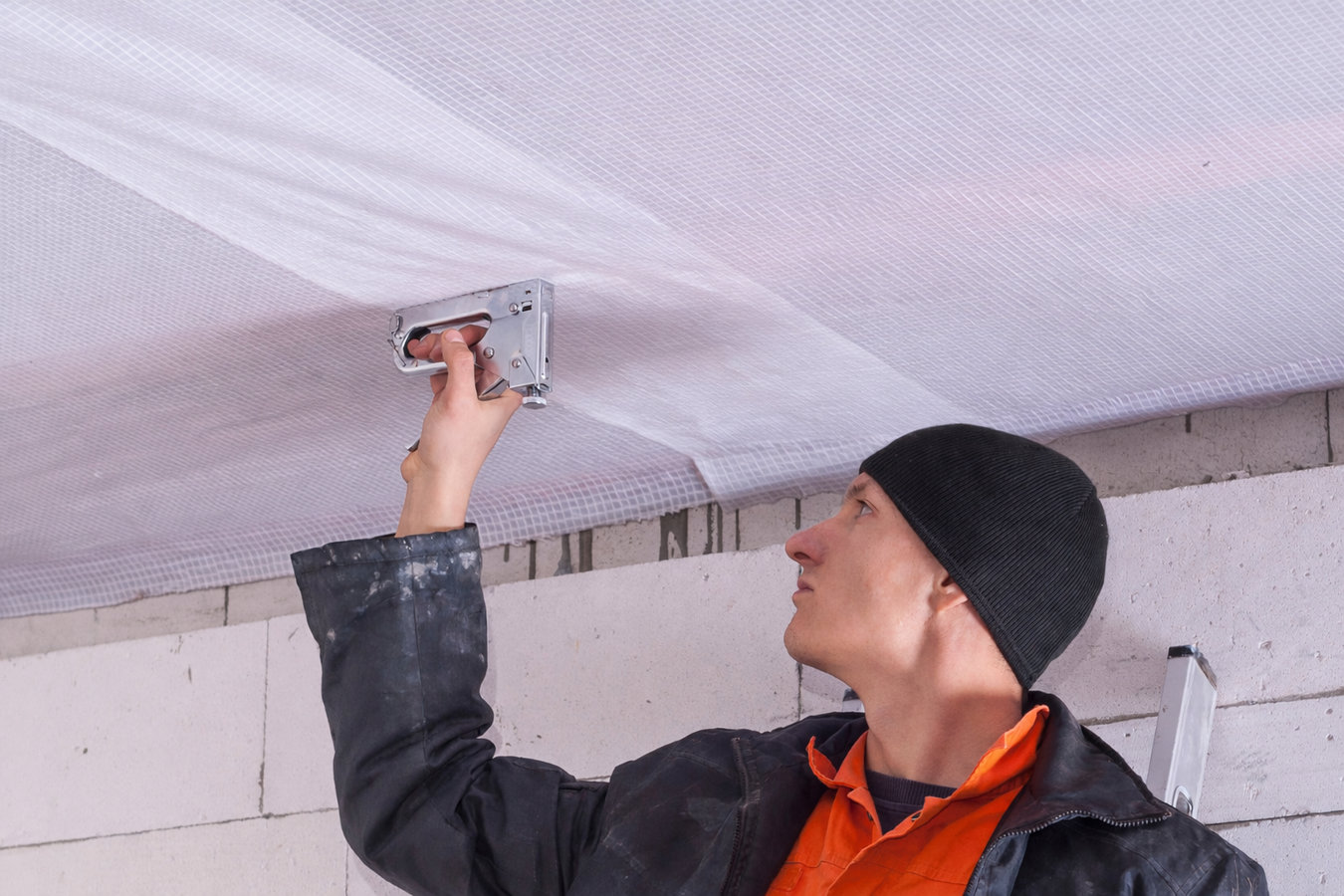
Monsoon season, snowmelt, and clay-heavy soil push moisture under Cedar City homes every year. We install durable vapor barriers that block it before it reaches your floors and framing.
Vapor barrier installation in Cedar City involves laying heavy plastic sheeting across your crawl space floor and up the foundation walls to block ground moisture from entering your home - most jobs take one full day and you do not need to leave your house.
Cedar City homeowners often assume the high desert means a dry crawl space. It does not. The city sits at nearly 5,800 feet, and the late-summer monsoon pattern - heavy afternoon thunderstorms from July through September - pushes large volumes of water into the soil around foundations in a short period. Iron County's clay-heavy soils do not drain that water quickly. It stays saturated and wicks upward into crawl spaces for weeks. Homes built before the early 1990s were largely built without moisture protection, meaning decades of ground vapor have been working into the floor framing without any barrier stopping it. The EPA identifies crawl space moisture as a leading cause of indoor mold and wood rot, and the earlier you address it, the less damage accumulates. If your crawl space also needs thermal protection paired with the moisture barrier, our crawl space vapor barrier service covers both in one project.
Installing a barrier before monsoon season is the ideal timing for Cedar City. You get the protection in place before the annual moisture spike, and contractor availability is better in spring than in late summer when everyone is calling at the same time. A quality barrier installed now can protect your home for 20 years or more.
If your house develops a damp, earthy odor during or after Cedar City's monsoon season in July and August, that smell is almost always moisture-related. Ground vapor is moving up through an unprotected crawl space and into your living areas. The smell tends to be strongest near the floor, in closets along exterior walls, or in rooms directly above the crawl space.
Walk slowly across your floors and pay attention to any areas that feel softer or have a little give underfoot. That softness often means the wood subfloor or floor joists have absorbed enough moisture to begin weakening. In Cedar City homes built before the 1990s - which frequently have no crawl space moisture protection - this is one of the most common early warning signs.
If you have ever looked into your crawl space and seen bare soil, torn plastic sheeting, or material that is crumbling or pulling away from the walls, your moisture protection is either absent or no longer working. A barrier that is torn, thin, or only partially covering the floor is almost as ineffective as having none at all.
When moisture gets into your floor system, it reduces the effectiveness of any insulation above the crawl space. If your energy bills have crept up without an obvious explanation and your home was built before the mid-1990s, a missing or failed vapor barrier is one of the first things worth checking before you look at anything else.
Cedar City Insulation installs vapor barriers in crawl spaces and basements throughout Cedar City and surrounding communities. The core service is heavy-duty polyethylene sheeting - typically 10-mil or 20-mil - laid across the full crawl space floor, with seams overlapped and taped and the material run up the foundation walls and secured. This stops ground vapor from moving upward into your floor system. For homes where the moisture problem extends beyond the floor, we also offer full attic air sealing as a complementary service - addressing both the bottom and top of your home's air and moisture control system at the same time.
Old material removal is included when needed. Many Cedar City homes from the 1970s and 1980s have thin or degraded plastic already in place. Leaving it there and laying new material on top is not a proper installation - the old barrier traps moisture underneath and compromises the new one. We remove it completely and start from a clean crawl space surface every time.
Right for most Cedar City homes - heavy plastic sheeting covering the full floor with taped seams and wall coverage to block ground vapor completely.
For homes with persistent moisture, standing water history, or where a fully sealed and conditioned crawl space is the right long-term solution.
For homes where degraded plastic from the 1980s or 1990s is already in place - complete removal before new installation ensures the job is done correctly.
For homes with finished or unfinished basements where ground moisture is working through walls or floor slabs and reducing the effectiveness of interior insulation.
Cedar City's monsoon season is the single most important local factor when it comes to vapor barriers. From July through September, afternoon storms can drop significant rain in short bursts, saturating the clay-heavy soil around foundations faster than it drains. Homes without a properly installed barrier absorb that moisture surge through the crawl space floor and into the floor framing above. Homes built before 1990 - which make up a large share of the housing stock in established neighborhoods near downtown and near Southern Utah University - are most at risk because they were built before moisture protection standards required it. If you are in Kanab or other southern Utah communities, similar soil and seasonal moisture conditions apply.
Cedar City's dramatic temperature swings - summer highs above 95 degrees and winter lows that drop below 20 - are also a factor in how long a vapor barrier lasts. The ground expands and contracts with those swings, and thin plastic cracks or loses its wall adhesion within a few years in this climate. This is why material thickness matters more in Cedar City than in milder regions, and why we do not install the cheapest option available. Homeowners in Springdale near Zion face similar high-elevation conditions. The EPA's guidance on mold and moisture explains why addressing moisture at the source is more effective than treating the symptoms after the fact.
You reach out and we respond within one business day to schedule an in-person visit. Most contractors in Cedar City can schedule a visit within a few days to a week, though availability tightens in late summer when demand picks up ahead of fall.
We physically enter your crawl space, measure the area, check the condition of any existing material, and look for signs of moisture damage to the wood above. The assessment takes 30 to 60 minutes. You get a written estimate that covers materials, labor, and any prep work needed.
The crew clears out any debris or old material, then unrolls the barrier across the entire crawl space floor and up the foundation walls. All seams are overlapped and taped, and the edges are secured so there are no gaps around pipes or posts. A typical Cedar City home takes one full day.
Before the crew leaves, we walk you through photos taken inside the crawl space showing the seams, corners, and wall coverage. There is no curing period - the barrier works immediately. Over the following weeks, pay attention to whether musty odors fade, which is the clearest sign the installation is doing its job.
Free estimates, no obligation. We respond within one business day and walk through exactly what your crawl space needs before any work starts.
(435) 592-8002Cedar City's freeze-thaw cycles and wide temperature swings are hard on thin plastic. We install 10-mil to 20-mil polyethylene sheeting that holds up through seasonal ground movement without cracking or pulling away from walls. Asking what thickness a contractor uses is one of the most useful questions you can ask before signing anything.
A vapor barrier with untaped seams is a barrier with gaps. Every section we install overlaps its neighbor by at least 12 inches, and every seam is taped with foil or crawl space tape designed to hold through temperature swings. This is the most commonly skipped step on lower-quality jobs, and the one that matters most in Cedar City's wet spring season.
We install vapor barriers across Cedar City and surrounding Iron County communities every week. We know which older neighborhoods have the most moisture issues, and we know what Cedar City's clay soils do to crawl spaces over a decade. That local experience shows up in how we diagnose and solve problems your specific home presents.
One of the most common frustrations with crawl space work is that it happens out of sight. We document every job with photos inside the space and walk you through what was done before we pack up. You should never have to wonder whether the corners were covered or the seams were sealed.
Cedar City is where we work every day. Our reputation in this community depends on delivering vapor barrier installations that hold up through real Cedar City winters and monsoon seasons - and we document every job so you can verify the work before we leave.
Attic air sealing closes the gaps at the top of your home's thermal envelope, complementing moisture control at the bottom for whole-home performance.
Learn moreOur crawl space vapor barrier service covers the full range of floor-level moisture protection, from basic floor barriers to full encapsulation systems.
Learn moreSpring is the best time to get ahead of monsoon season moisture. Call us or submit the form and we will have a written estimate to you within one business day.