Loading...
Serving Cedar City, UT and surrounding areas. (435) 592-8002
Cedar City Insulation serves Richfield, UT homeowners with blown-in insulation, spray foam, and attic insulation built for a high-elevation central Utah town where winter temperatures drop well below freezing regularly and most of the housing stock was built before modern energy standards existed.
We have been completing insulation projects across Richfield and Sevier County since 2023, and we reply to every new inquiry within one business day.
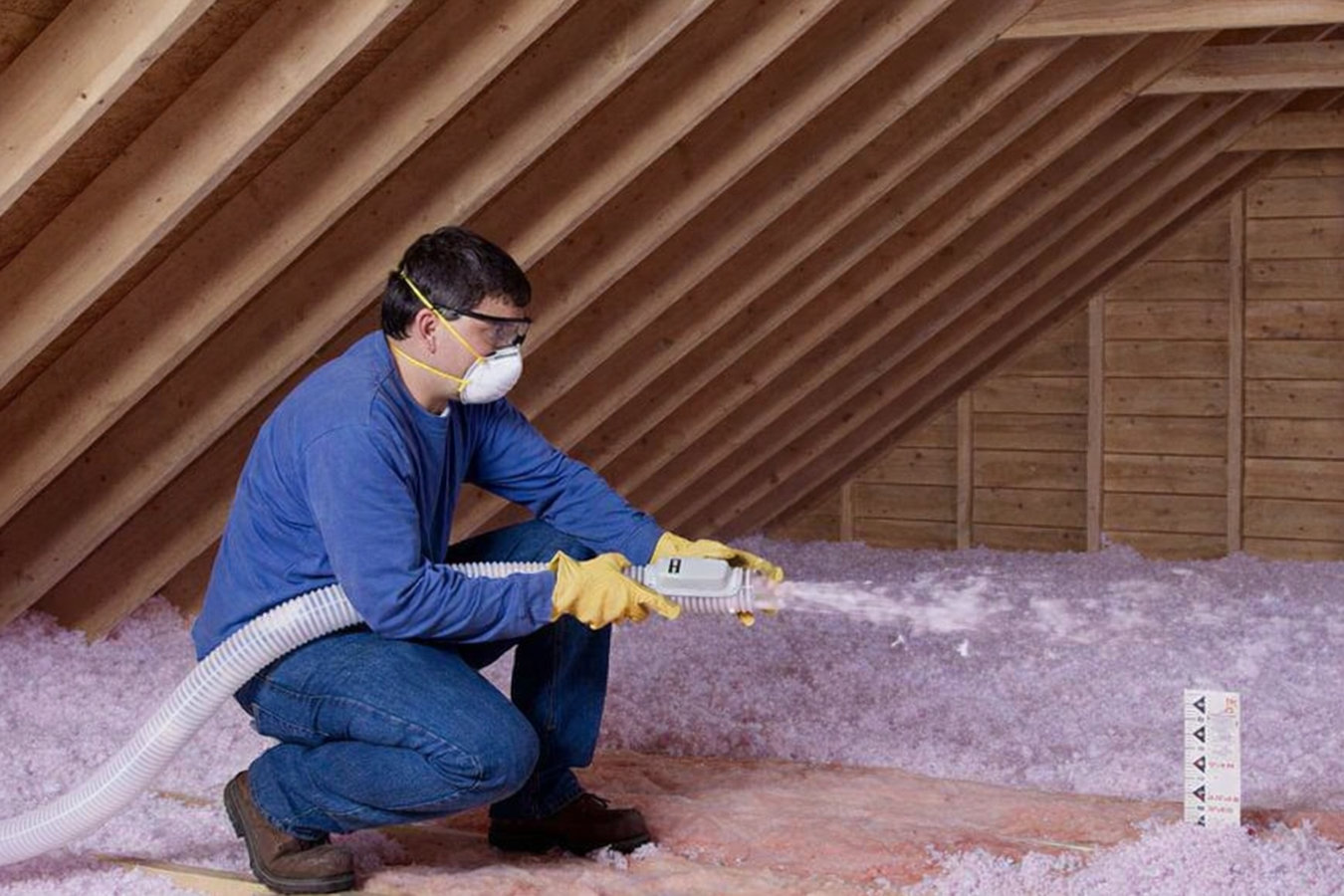
Richfield sits at over 5,300 feet elevation, and the winters here are genuinely cold - January lows regularly fall well below freezing, and the heating season runs from October through April in most years. Many Richfield homes have attic insulation that was installed decades ago and has settled to a fraction of its original depth, leaving those homes significantly under-insulated for this climate. Blown-in insulation adds the correct depth quickly and fills the irregular spaces between older framing that rigid batts cannot reach. Learn more about our blown-in insulation service and how it applies to Richfield homes.
In Richfield, the attic is where the most heat escapes in winter - and in a town where January overnight lows can drop into the single digits, that heat loss shows up directly on the monthly gas bill. Summers in central Utah are also hot and dry, with July highs reaching the low 90s, which means an under-insulated attic becomes an oven that pushes heat into the living space below from May through September. Richfield homeowners who bring their attic up to the correct insulation depth typically feel the difference in the first heating season after the work is done.
The wide temperature swings Richfield experiences - more than 100 degrees of range between coldest winter nights and hottest summer days - cause wood framing, siding joints, and caulk around penetrations to expand and contract repeatedly until small gaps open up throughout the structure. Spray foam closes those infiltration points permanently, sealing and insulating in the same step around pipes, rim joists, and window frames. For older wood-frame homes near Richfield Main Street, spray foam at the rim joist and around utility entries makes a measurable difference in how well the house holds heat overnight during cold snaps.
Many Richfield homes are older wood-frame construction sitting on vented crawl spaces, and in a town where winter temperatures regularly freeze the ground solid, that means cold air circulates freely under the floor structure for months at a time. Homeowners with vented crawl spaces under their Richfield homes often notice cold kitchen and living room floors in winter even when the furnace is running full time - that is the crawl space making itself known. Insulating the crawl space walls and floor eliminates that cold air circulation and makes the first floor noticeably warmer without touching the heating system at all.
Richfield homes built before 1990 were constructed without the air-sealing standards that are now understood to be as important as insulation thickness. Gaps around ceiling fixtures, plumbing penetrations, and attic framing allow warm interior air to escape in winter and hot attic air to push down in summer - neither insulation nor a furnace can fully compensate for those gaps. Air sealing performed before blown-in insulation is added closes those pathways permanently, and the combined result consistently outperforms insulation added without that step.
A significant share of Richfield properties were built between the 1940s and 1980s with wall cavities that were never insulated or were insulated with materials that have long since degraded. Retrofit insulation adds material to existing walls without tearing off exterior siding - the process uses small-diameter holes to blow material into the cavity, then patches the holes so the wall looks unchanged. For Richfield homeowners who have already upgraded the attic but still notice cold walls and high heating bills, wall cavity retrofit insulation is typically the next most effective step.
Richfield is the county seat of Sevier County in central Utah, sitting at about 5,300 feet elevation in the Sevier River valley roughly halfway between Salt Lake City and St. George. That elevation means the climate is genuinely demanding in both directions. January lows drop well below freezing - hard freezes are the rule, not the exception - and the heating season runs for nearly six months each year. Summers bring their own challenges: July highs regularly reach the low 90s, and the intense UV at this elevation breaks down roofing materials and exterior finishes faster than at lower elevations. The soil in the valley is dry and sandy, prone to shrinking during dry spells and absorbing snowmelt unevenly in spring, which creates foundation movement that can disturb crawl space insulation and shift floor framing over time. The wide temperature range - more than 100 degrees of swing across a year - causes repeated expansion and contraction in wood framing, concrete slabs, and any sealants installed around penetrations.
The housing stock makes this climate challenge more acute. A significant portion of Richfield homes were built before 1980, and many date back to the mid-20th century or earlier - eras when insulation standards were a fraction of what is now understood to be necessary for this elevation and temperature range. Single-family wood-frame construction dominates the inventory, with larger lots and more square footage than typical suburban homes, which means attics and crawl spaces tend to be larger and have more surface area to lose heat through. The practical result for most Richfield homeowners is that they are living in homes that were never insulated adequately for the climate they actually experience - and the energy bills over a Sevier County winter are the most direct evidence of that gap.
We have been completing insulation projects in Richfield and the surrounding Sevier County area since 2023, working on the older wood-frame homes that make up most of the city as well as larger properties with outbuildings, detached garages, and the kind of rural-style lots that are common throughout central Utah. Richfield is a town where people put down roots and take their homes seriously - and that is the kind of customer we do our best work for. The city serves as the commercial center for a wide stretch of central Utah, which means homeowners from Monroe, Salina, and surrounding communities also reach out when they need insulation help, and we cover that whole area.
The streets closest to Richfield Main Street tend to have the oldest homes - some dating back to the early 1900s - while newer construction is scattered toward the east side of town and along the valley edges. The drive south from Richfield on US-89 toward Kanab passes through some of the most striking high desert terrain in Utah, including the area near Fremont Indian State Park - a landmark that most Richfield residents know well. That regional context matters: the high desert conditions that shape Richfield also shape every other community along that corridor, and we bring the same calibrated approach to each one.
We also serve Kanab, UT - about 100 miles south along US-89 - which shares Richfield characteristics as a smaller Utah town with older housing stock and a high-desert climate that demands real insulation performance. Both communities benefit from a contractor who knows what hard Utah winters do to older wood-frame homes rather than one who applies a one-size approach borrowed from milder markets. We also cover Parowan, UT - south along I-15, another high-elevation Iron County community we work in regularly.
We reply to all Richfield inquiries within one business day. We ask about your home age and type, what you have been noticing - high heating bills, cold floors, drafts - and the general size of the project. That helps us come prepared. No obligation, no pressure.
We visit your Richfield home and assess the attic, any crawl space, and the areas you have flagged. The visit takes 30 to 60 minutes. We check existing insulation depth and condition, look for air-sealing opportunities, and account for the age and framing of the home. You receive a written estimate with clear pricing before any work is scheduled - no surprises after the fact.
Our crew arrives with all equipment and completes most Richfield attic and blown-in insulation projects in a single day. We air-seal first - closing the ceiling penetrations that let warm air bypass the insulation - then blow in material to the correct depth for this climate zone. You can stay home during the work.
Before we leave, we walk you through the finished work - confirming insulation depth, showing you what was air-sealed, and answering any questions. We provide documentation of what was installed. Keep that paperwork to claim the federal energy efficiency tax credit if the materials qualify, and to have a clear record for future buyers.
We serve Richfield, UT homeowners with free on-site estimates and written quotes before any work begins. Most blown-in and attic projects are completed in a single day. Call or submit a request and we reply within one business day.
(435) 592-8002Richfield is the county seat of Sevier County, Utah, with a population of about 8,000 to 9,000 residents. It sits in the Sevier River valley in central Utah, surrounded by the high desert terrain that defines this part of the state. The city has been the commercial hub for Sevier County for generations - people drive in from Monroe, Elsinore, Salina, and other small surrounding towns to shop, get medical care, and access services. That regional role means Richfield has more business activity than its population alone would suggest. The housing stock reflects the city's history: a meaningful share of homes were built before 1980, and many date back to the mid-20th century or earlier. Wood-frame construction is standard throughout the city, with larger lots and more outdoor structures - detached garages, sheds, and outbuildings - than you would find in a typical Utah suburb. Owner-occupancy rates are well above the national average, and most residents have lived in their homes for years.
Richfield is positioned roughly halfway between Salt Lake City and St. George along Interstate 70 and US-89, making it a natural stopping point for travelers and a practical base for contractors serving a wide stretch of central Utah. The drive south along US-89 connects Richfield to the communities around Sevier County and eventually to Kane County and Kanab. Neighboring communities we serve include Kanab, UT - a smaller Kane County community about 100 miles south with similar high-desert climate characteristics and older housing stock - and Parowan, UT - a high-elevation Iron County community to the south that we cover as part of the same regional corridor. Both share the climate demands and older housing realities that make proper insulation a practical necessity in this part of Utah.
High-performance spray foam that seals and insulates in one application.
Learn moreKeep heat in during winter and out during summer with proper attic insulation.
Learn moreLoose-fill insulation blown into walls, attics, and hard-to-reach spaces.
Learn moreProtect your floors and pipes with professional crawl space insulation.
Learn moreDense, rigid closed-cell foam offering maximum R-value and moisture resistance.
Learn moreFlexible open-cell foam ideal for interior walls and soundproofing.
Learn moreCommercial-grade insulation for offices, warehouses, and retail buildings.
Learn morePrevent ground moisture from entering your home with a vapor barrier.
Learn moreProfessional vapor barrier installation for walls, floors, and crawl spaces.
Learn moreServing these cities and communities.
Richfield winters are long and hard - and an under-insulated attic makes every one of them more expensive. Call now and we will assess your home before the cold season arrives.