
Loading...
Serving Cedar City, UT and surrounding areas. (435) 592-8002
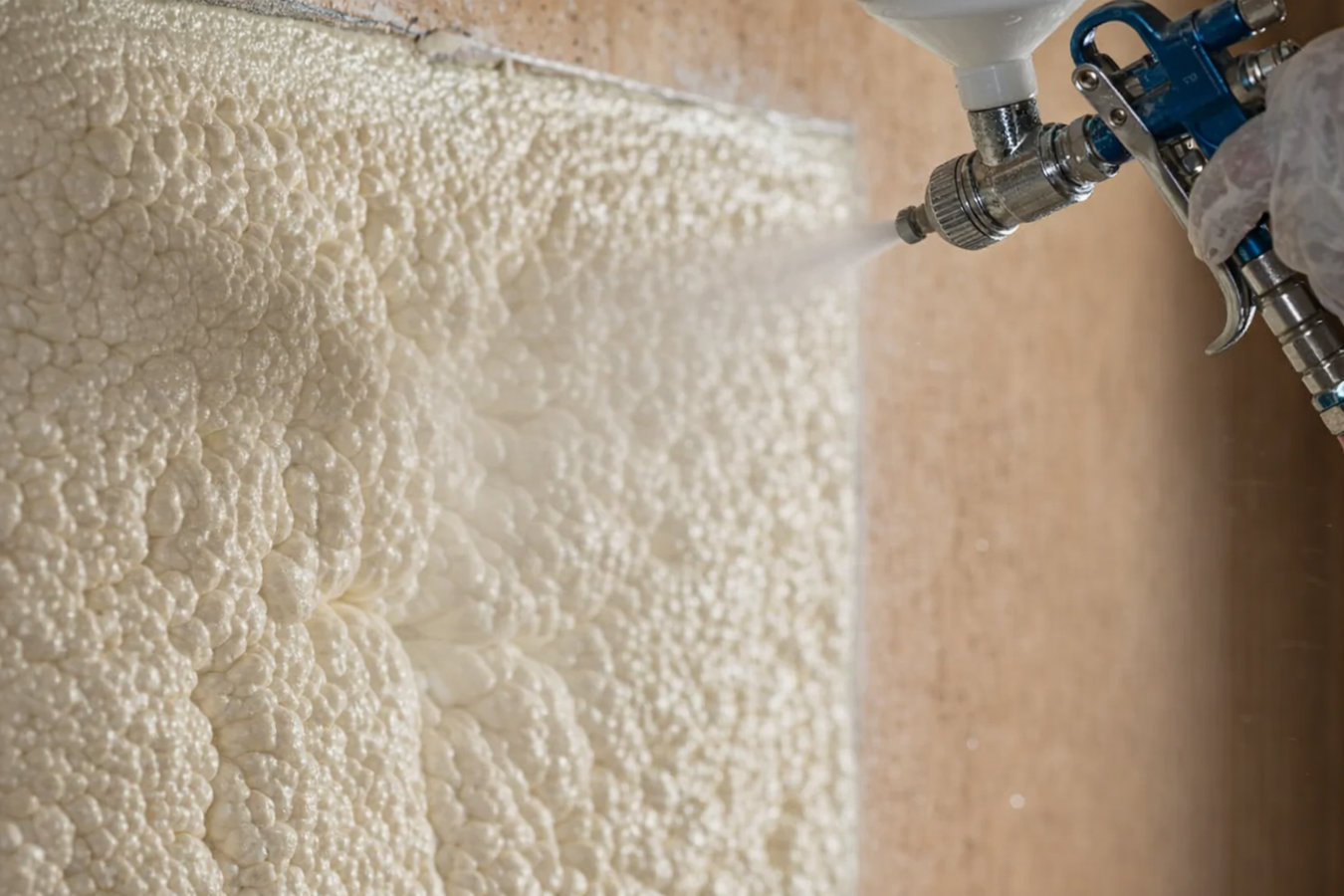
Cedar City Insulation serves Parowan, UT homeowners with spray foam insulation, attic insulation, and whole-home insulation upgrades built for this high-elevation Iron County community where winters are genuinely hard and most homes were built before modern energy codes.
We have been completing insulation jobs in Parowan since 2023 - Cedar City is just 18 miles south, so our crew arrives without the long wait times that some rural Utah homeowners deal with. We reply to all inquiries within one business day.
Parowan sits at 6,000 feet, and the freeze-thaw cycles that hit every fall and spring work on every small gap and crack in a home's envelope over time. Spray foam seals and insulates simultaneously - it expands into rim joists, crawl space walls, and utility penetrations where other insulation types leave air paths open. For Parowan homes with older construction that has shifted and settled over decades, spray foam addresses the infiltration problem that adding more blown-in or batt insulation alone will not solve. See the full details of our spray foam insulation service for Iron County properties.
Parowan receives 50 to 60 inches of snow per year, and an under-insulated attic contributes directly to ice dam formation along the roofline when heat escapes and melts snow from underneath. Most homes in Parowan built before 1980 have attic insulation depths well below what current climate zone recommendations call for at this elevation. Upgrading the attic is the single highest-return insulation improvement for the majority of Parowan properties.
Blown-in loose-fill insulation is the most efficient way to bring an existing Parowan attic up to the correct depth without disrupting the living space below. The material fills around existing framing and odd-shaped cavities that pre-cut batts miss, and installation is typically completed in a single day. For the large share of Parowan homes that have some attic insulation in place but not enough, blown-in is the practical top-up that delivers the improvement without a full tear-out.
A whole-home insulation assessment looks at your attic, walls, crawl space, and basement together - because heat escapes through all of them, and fixing only one area leaves the others as ongoing drain on your heating system. Parowan's older housing stock often has thin or absent wall insulation alongside an under-insulated attic, and addressing both in sequence delivers noticeably better results than treating just one area at a time.
Parowan's clay-heavy soils expand and contract with moisture and temperature changes, and that soil movement puts stress on a home's foundation and framing over time - opening small gaps that let outside air in year-round. Air sealing those gaps before adding insulation is what separates a thorough job from one that leaves the biggest heat loss paths still open. For Parowan homes built before 1990, air sealing at the attic floor and around utility penetrations is almost always worth doing alongside any insulation upgrade.
Many of Parowan's wood-frame homes from the 1950s through 1970s have wall cavities with little or no insulation - a legacy of construction standards that predate modern energy codes. Retrofit insulation fills those cavities through small holes drilled from the exterior that are patched and painted when the work is done, leaving no visible sign of the work. For owner-occupants in Parowan who want better wall performance without tearing out drywall, retrofit is the practical answer.
Parowan is the county seat of Iron County and the oldest continuously occupied town in Utah, settled in 1851. That history means a meaningful share of its housing stock predates modern building codes entirely - some homes near the historic town center were built from adobe brick by early settlers, and mid-century ranch-style houses from the 1950s through 1970s fill out the surrounding residential streets. At 6,000 feet elevation, these homes face winters with 50 to 60 inches of annual snowfall, hard freezes from November through March, and UV radiation intense enough to accelerate wear on every exterior material. Insulation that was adequate in 1960 or 1975 is not adequate today for a home trying to stay warm at this elevation.
The soils in the Parowan Valley include clay-heavy layers that expand when wet and contract when dry - a movement pattern that shifts concrete flatwork, stresses foundation walls, and opens gaps in a home's framing over time. The road to Brian Head ski resort runs directly through Parowan on Utah Highway 143, and the mountain weather that makes Brian Head a working ski area is the same weather Parowan homes deal with every winter. Freeze-thaw cycling in the shoulder seasons - fall and spring - is particularly hard on concrete driveways, walkways, and masonry, and those same cycles work on the gaps and seams in a home's envelope year after year. An insulation contractor serving Parowan needs to account for soil behavior, elevation, and the specific construction methods used in each era of the town's housing stock.
Our crew has been completing insulation jobs in Parowan since 2023, coordinating with the Iron County building office on any projects that require permits. Cedar City is just 18 miles south on I-15, which means we are not one of those contractors who bills a travel premium to serve Parowan - our crew arrives the same morning you expect them without an extended wait. We work across the full range of Parowan's housing stock, from the oldest masonry homes near the historic center to the mid-century ranch houses on the residential streets and the newer construction toward the edges of town.
Parowan sits at the base of the mountains that feed Brian Head, and the valley is framed by the Iron County highlands on the east side and the Markagunt Plateau to the north. US-143 through town is the main corridor - residents know it as the road that brings ski traffic through in winter and hikers heading for Cedar Breaks National Monument in summer. The Parowan Gap petroglyphs northwest of town are a well-known local landmark, and the historic core of town still carries several of the original pioneer-era buildings.
We serve Parowan as part of a broader Iron County coverage area that includes our home base in Cedar City and extends north to Richfield, UT. Homeowners in Richfield deal with similar high-elevation conditions and a comparable mix of older and mid-century housing stock, and we serve both communities on the same scheduling runs. Parowan residents who have family or rental properties further north will find we can handle those as well.
We reply to all Parowan inquiries within one business day. The first call takes about five minutes - we ask a few basic questions about your home's age and what you have noticed. There is no commitment and no pressure to book.
We schedule a visit to your Parowan property and walk through the attic, crawl space, and other areas of concern. The assessment takes 30-60 minutes and costs nothing. You receive a written estimate before any work is scheduled - you will know exactly what it costs before we touch anything.
Our crew arrives from Cedar City with all equipment and completes the work on the schedule we agreed. For most Parowan homes, a standard attic job is done in one day. We seal air leaks first, then install insulation in the correct sequence. You can stay home during the work - there is no need to vacate unless spray foam is being applied.
Before we leave, we walk you through exactly what was done and hand you documentation of the insulation type and depth installed. Save this paperwork - you will need it for the federal energy efficiency tax credit and any utility rebate applications.
We serve Parowan, UT with free on-site estimates and a crew that arrives from Cedar City - just 18 miles away. Most projects are completed in one day. Reply within one business day guaranteed.
(435) 592-8002Parowan is the county seat of Iron County and holds the distinction of being the first permanent settlement established in Utah by Mormon pioneers, founded in January 1851. The town of Parowan has a population of roughly 3,000 people and sits at about 6,000 feet elevation in a high-desert valley between Cedar City to the south and Brian Head to the northeast. The community has a strong owner-occupant character - most residents have lived here for years and invest in their properties. The oldest homes near the historic town center were built from adobe brick by the original settlers, and a substantial layer of mid-century ranch-style houses from the 1950s through 1970s fills out the surrounding residential streets. Some of the pioneer-era buildings near the town center are still standing and still occupied.
Parowan sits on US-143, the main road to Brian Head ski resort, and the valley is flanked by the Iron County highlands that give the area its mountain character. The community has a practical, working-family feel - far removed from the resort-town pricing of nearby mountain communities, but dealing with the same hard winters and wide temperature swings that come with high-elevation Utah living. Nearby Cedar City, UT is the closest large service center, and Richfield, UT to the north shares Parowan's high-elevation climate and older housing stock.
High-performance spray foam that seals and insulates in one application.
Learn moreKeep heat in during winter and out during summer with proper attic insulation.
Learn moreLoose-fill insulation blown into walls, attics, and hard-to-reach spaces.
Learn moreProtect your floors and pipes with professional crawl space insulation.
Learn moreDense, rigid closed-cell foam offering maximum R-value and moisture resistance.
Learn moreFlexible open-cell foam ideal for interior walls and soundproofing.
Learn moreCommercial-grade insulation for offices, warehouses, and retail buildings.
Learn morePrevent ground moisture from entering your home with a vapor barrier.
Learn moreProfessional vapor barrier installation for walls, floors, and crawl spaces.
Learn moreServing these cities and communities.
Parowan winters arrive early at 6,000 feet - call now before the first freeze and while our fall schedule still has openings.