
Loading...
Serving Cedar City, UT and surrounding areas. (435) 592-8002
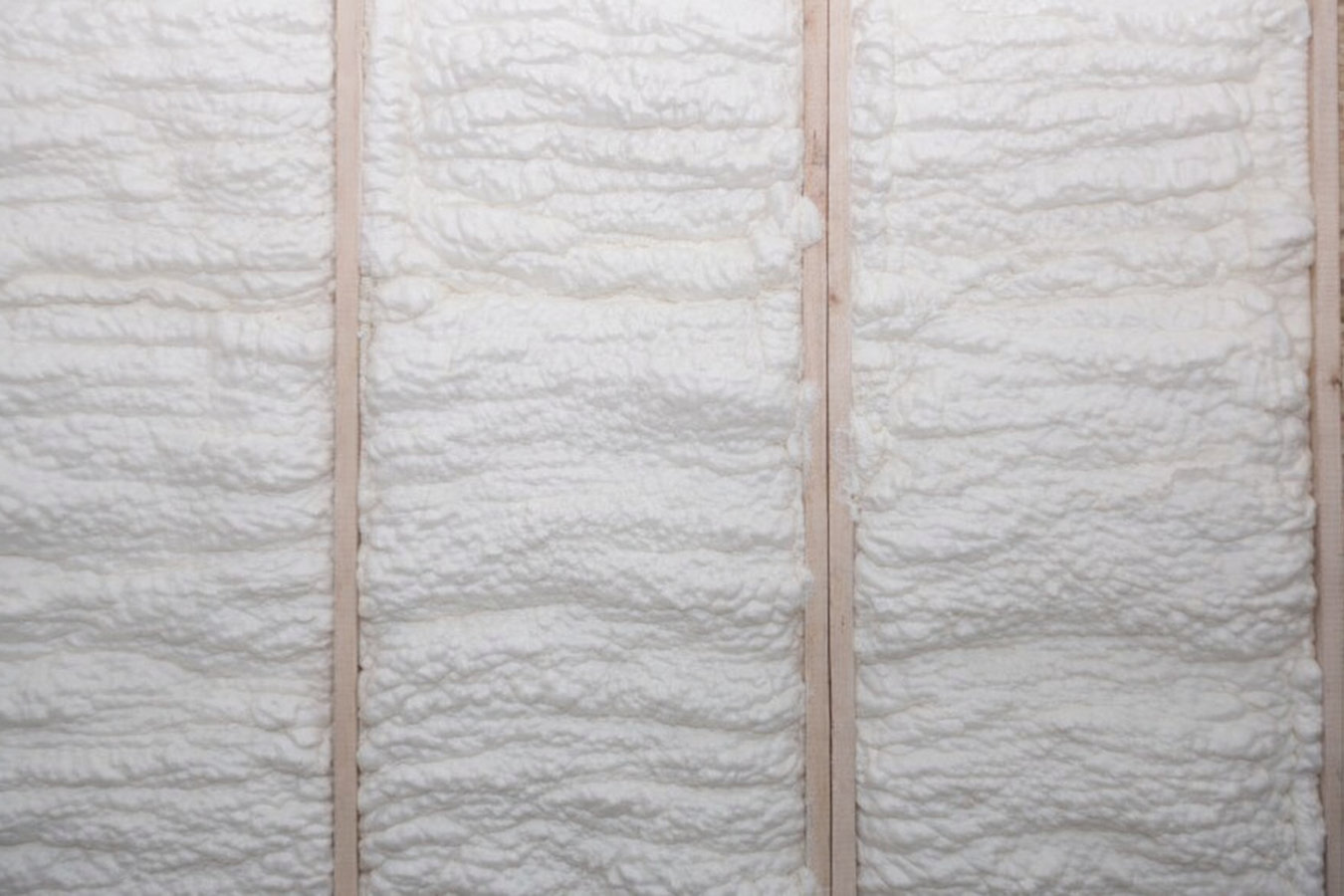
Older Cedar City homes leak heat through gaps no batt insulation can reach. Open-cell foam fills and seals in one pass - lower bills, fewer drafts, cleaner air inside.
Open-cell foam insulation in Cedar City is sprayed as a liquid, expands up to 100 times its original volume, and seals every gap and crack it touches - most residential attic or wall projects are completed in a single day. Unlike fiberglass batts or blown-in material, it air-seals and insulates at the same time, which means one product handles two jobs.
Cedar City sits at nearly 5,800 feet elevation, and the climate demands serious insulation performance year-round. Winters drop below 10 degrees and summers push attic temperatures past 130 degrees. Standard insulation slows heat transfer, but it does nothing about the air infiltration that lets conditioned air escape through every small gap in your framing and wiring. Open-cell foam addresses both at once, and open cell spray foam is used the same way in other cold-climate markets where air sealing is the primary driver.
For spaces where moisture control is the higher priority - crawl spaces, basement walls, and exterior rim joists - it is worth comparing open-cell foam to spray foam insulation options more broadly, since closed-cell foam provides a denser barrier in those locations.
Cedar City winters are long and cold, and if your furnace runs constantly without your home ever feeling warm, conditioned air is escaping. Run your hand along the top of interior walls near the ceiling on a cold day - a noticeable draft means heat is moving through gaps that foam should be sealing.
If wildfire smoke or road dust enters your home during Cedar City's smoky July and August weeks even with everything shut tight, your building envelope has gaps. Open-cell foam seals those pathways around wiring, pipes, and framing so outdoor air only enters through your ventilation system.
Go into your attic on a hot June afternoon. If the temperature feels dramatically hotter than the rest of the house and you can feel heat radiating down through the ceiling, your attic insulation is not doing its job. At Cedar City's elevation, summer sun is intense and an under-insulated attic transfers that heat directly into your living space.
Remove the cover plate from an electrical outlet on an exterior wall and look inside with a flashlight. If you can see daylight, feel a draft, or notice the wall cavity is empty or has only a thin layer of old insulation, that wall is a significant source of heat loss - common in Cedar City homes built before the mid-1990s.
We install open-cell foam in attics, interior walls, and crawl spaces where Cedar City's dry climate makes it the cost-effective choice. Open-cell foam delivers excellent air sealing and a solid R-value per inch at a lower cost per square foot than denser closed-cell products. For projects where sound dampening is also a goal - interior walls between living spaces or between floors - open-cell foam handles both in a single application. If your project involves exterior-facing surfaces or areas with higher moisture exposure, we will recommend the right product for that specific location rather than defaulting to one material everywhere.
Open-cell foam pairs well with other services depending on your home's situation. Homes with significant attic bypasses - gaps around light fixtures, plumbing chases, and HVAC penetrations - often benefit from combining foam with commercial insulation approaches used for larger, more complex spaces. Every proposal we write starts with a walk-through so we recommend what your home actually needs.
Seals every attic bypass and insulates the space in one pass - ideal for homes with leaky, older attic framing.
Best for homeowners adding sound control alongside insulation between living spaces or adjacent rooms.
Works well in Cedar City's dry climate where the moisture vapor concern of open-cell foam rarely applies.
Seals the critical gap between your foundation sill and floor framing - one of the most cost-effective applications available.
Suited to Cedar City homes built before the mid-1990s with little or no wall insulation in exterior cavities.
Applied before drywall on new builds to lock in performance from day one and meet current Utah energy code minimums.
Cedar City averages only about 10 inches of rain per year and the relative humidity here is consistently low. That matters for open-cell foam specifically because the most common reason contractors recommend the denser, more expensive closed-cell product is moisture management - a concern that rarely applies in this high-desert climate. Cedar City homeowners get the performance of spray foam at a meaningfully lower cost per square foot than they would need to spend in a humid region. The 80-plus-degree seasonal swing between Cedar City summers and winters also means the air-sealing benefit of spray foam is working year-round, not just in one season.
A large share of homes in Cedar City and surrounding communities were built between the 1970s and the 1990s under building codes that allowed much lower insulation levels than Utah requires today. In neighborhoods near Southern Utah University and older areas closer to downtown, many homes have attics and walls that have never been meaningfully upgraded. We serve homeowners across Cedar City and in nearby communities including Parowan and Kanab, where the same pre-2000 housing stock pattern repeats consistently.
We respond within 1 business day to schedule your free on-site walkthrough. You do not need to know exactly what you need - just a general sense of where the problem is showing up.
We measure the areas you want addressed and look for moisture issues or existing insulation that should come out first. You receive a written estimate broken down by area before any work is scheduled.
If your project needs a permit through the Cedar City Building Department, we handle the application. Late spring and fall slots fill quickly, so booking early is the best way to get your preferred date.
Most residential jobs are completed in one day. Plan to stay out of the work area for about 24 hours after we finish. Once the foam cures, a city inspector verifies the work - we coordinate that visit for you.
We respond within 1 business day. There is no obligation after we send your estimate. Once you submit, someone from our team will call to schedule your free on-site assessment.
(435) 592-8002Cedar City sits in Climate Zone 5B under Utah's energy code, which sets higher insulation minimums than warmer parts of the state. We know exactly what thickness is required for each application in this zone and install to meet or exceed those numbers - not just enough to pass a quick visual check.
Our crews have installed open-cell foam in Cedar City homes for years, and we document every job so you have a clear record of what went in. That hands-on experience shows up in how cleanly the foam is applied and how well it performs.
We pull the required permits through the Cedar City Building Department and coordinate the city inspection on your behalf. That independent inspector is a check on our work - not just our word that the job was done right. You receive documentation to keep with your home records.
A large share of Cedar City homes were built before current energy code was in place. We have completed open-cell foam retrofits in older neighborhoods near Southern Utah University and throughout Iron County. If your home is in that age range, we know what to look for and what to fix.
The Spray Polyurethane Foam Alliance sets installation quality and safety standards that experienced contractors in Utah work to. We follow those standards on every job and welcome the questions that come with them.
Open-cell foam is also an option for commercial spaces - learn how we approach insulation projects for Cedar City businesses.
Learn moreSee the full range of spray foam options, including closed-cell and specialty applications for harder-to-reach spaces.
Learn moreCedar City's heating season starts early - call now to schedule your free on-site estimate and lock in your installation date before the fall rush fills our calendar.